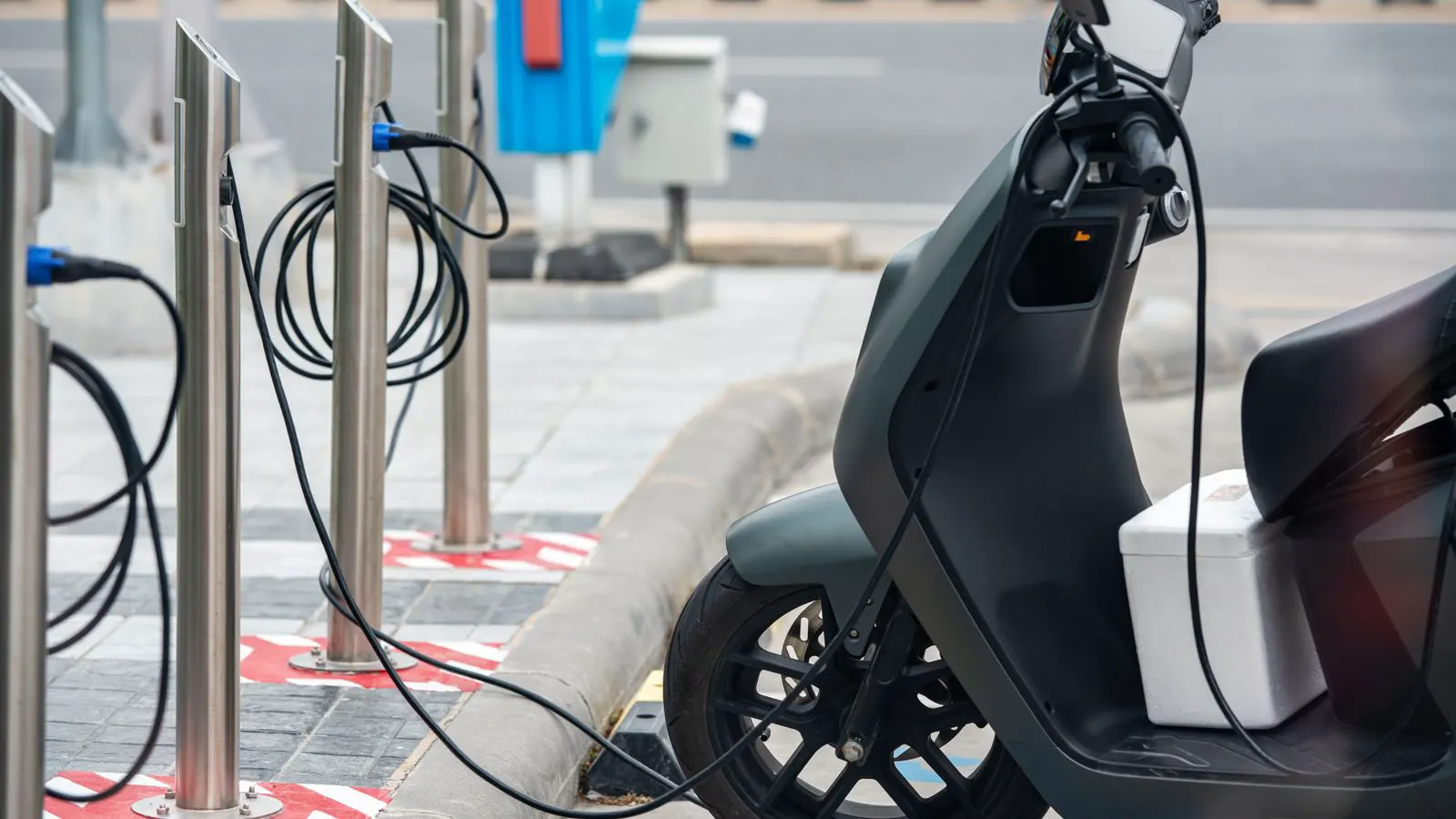
Choosing between 150kW and 350kW DC fast chargers depends on vehicle voltage architecture, dwell time targets, and site infrastructure. Higher power reduces charging time but increases cost and heat management needs.
- 150kW chargers suit most current EV fleets and standard highway stops.
- 350kW chargers target high-voltage vehicles and minimize queue times.
- Site power capacity and cable routing affect the final cost significantly.
- Match charger power to the vehicle's maximum accept rate.
How Power Output Affects Charging Speed
Charging power output determines how quickly energy moves from the grid into the battery. A 150kW unit delivers a steady stream that works well for the majority of vehicles currently on the road. A 350kW unit pushes nearly double the energy. The difference shows up in dwell time.
Most vehicles accept power in a curve, not a straight line. They start fast, taper off as the battery heats up or reaches a high state of charge. The charger must match that curve. If the vehicle caps out at 150kW, a 350kW charger offers no speed benefit. The vehicle simply draws less current.
This mismatch is the core trade-off. You pay more for hardware that the vehicle cannot fully use. Operators who install high-power units without checking fleet specifications often find their return on investment slower than expected. The charger sits there, capable of high output, but the vehicle limits the actual transfer.
Which Chargers Fit Specific Use Cases
The table below maps typical deployment scenarios to the power levels that handle them best. It excludes niche cases where ultra-high power is required for specific industrial applications.
| Option | Best for | Limitations |
|---|---|---|
| 150kW DC Chargers | Standard highway rest stops, city hubs, mixed fleets | Slower top-off for high-voltage vehicles; longer queue times during peak demand |
| 350kW DC Chargers | High-voltage 800V vehicles, short-stop highway corridors, fleet depots with tight windows | Higher upfront cost; requires upgraded site power; more complex heat management |
| 150kW to 350kW Hybrid | Sites expecting a mix of older and newer EVs | Complexity in network management; potential for under-utilization of high-power slots |
For a highway corridor, the 350kW option often wins if the primary market includes newer, high-voltage models. Drivers expect to plug in for ten minutes and drive another hundred miles. A 150kW charger might require twenty minutes for the same energy gain. That extra time increases the chance of queue buildup.
For a city hub, 150kW is usually sufficient. Drivers often park for longer periods, such as during a work break or a meal. The marginal time saved by a 350kW unit is small compared to the cost difference. The vehicle’s internal thermal limits also become a bigger factor in dense urban environments where ambient heat is high.
For fleet depots, the choice depends on the shift structure. If vehicles return to the depot with low battery levels and have an eight-hour window, 150kW may be enough. If the shift is four hours and the vehicle needs a full charge, 350kW reduces the risk of missed schedules.
Infrastructure and Site Power Requirements
Higher power output demands more from the site infrastructure. The electrical connection is the first bottleneck. A 150kW charger typically connects to a three-phase power source. A 350kW unit often requires a higher voltage supply or a larger transformer.
The transformer size matters. If the site has an existing transformer that is already near capacity, adding a 350kW unit might require a full upgrade. That upgrade can take months and cost significantly more than the charger itself. Operators must check the existing service agreement with the utility provider before buying hardware.
Cable routing is another factor. Higher current requires thicker cables. Thicker cables are heavier and harder to route. They also cost more. In a retrofit scenario, where the site is already built, running new high-gauge cables through existing conduits may be impossible. You might need to trench new paths or reroute existing lines.
Heat management becomes more complex at 350kW. The power electronics generate more heat. The unit needs a larger cooling system, which can be liquid-cooled or air-cooled. Liquid cooling adds pumps, radiators, and fluid maintenance. Air cooling is simpler but may require larger enclosures or additional fans. Both add to the maintenance schedule.
Cost and Total Cost of Ownership
The purchase price of a 350kW charger is higher than a 150kW unit. This is expected. The power electronics are more complex, and the thermal management systems are larger. However, the total cost of ownership includes more than the hardware.
Installation costs for high-power units are higher due to electrical upgrades and cable work. Maintenance costs may also be higher if the cooling system fails. A pump failure in a liquid-cooled unit can take the charger offline for days. A 150kW unit with simpler air cooling is easier to repair and has fewer points of failure.
Revenue models often favor higher power. If you charge by the minute, a faster charge means the vehicle leaves the bay sooner. That increases bay turnover. For a highway stop with limited bays, this turnover gain can offset the higher hardware cost. For a depot with unlimited bays, the turnover gain is less relevant.
The cost per kilowatt-hour of energy is usually similar, but the cost per hour of the charger is different. A 350kW unit costs more per hour to run because it draws more power from the grid. However, it also generates more revenue per hour if the vehicle accepts the power. The math depends on the local electricity rate and the local driver behavior.
Matching Charger Power to Vehicle Architecture
Vehicle voltage architecture dictates the maximum power a charger can deliver. Older vehicles often use 400V systems. These systems are designed to accept power in the range of 50kW to 150kW. Pushing more power into a 400V battery is not safe and is not efficient. The battery management system will limit the current to protect the cells.
Newer vehicles, particularly those with 800V systems, can handle much higher power. These vehicles are designed to accept 250kW, 350kW, or even more. The charger must be compatible with the vehicle’s communication protocol. If the vehicle expects a specific handshake, the charger must support it.
This is where the 150kW vs 350kW comparison becomes specific. If your fleet is 80% 400V vehicles and 20% 800V vehicles, a 150kW charger serves the majority well. The 800V vehicles will charge at 150kW, which is slower than their maximum potential, but still faster than a standard level 3 charger. If you install 350kW units, the 400V vehicles will not benefit. They will still draw 150kW maximum. The extra cost is wasted on the majority of the fleet.
The exception is a site where the 800V vehicles are the priority. For example, a fleet of long-haul trucks or luxury sedans that require fast top-offs. In that case, 350kW is the correct choice. The 400V vehicles can charge at a slower rate or use separate bays.
Installation and Maintenance Considerations
A 350kW charger is a larger physical object. It may require more space for the cooling system and the electrical connections. The enclosure might be bigger, which affects the layout of the charging bay. You need to ensure the bay is wide enough for the vehicle and the cable routing.
The cable for a 350kW charger is thicker and heavier. This affects the weight of the cable when it is plugged into the vehicle. Some vehicles have a maximum weight limit for the cable connector. If the cable is too heavy, it may put stress on the vehicle’s port. Operators should check the vehicle manufacturer’s specifications for cable weight limits.
Maintenance for a 350kW charger is more involved. The cooling system needs to be checked regularly. The fluid level, filter, and radiator must be inspected. If the fluid degrades, the heat transfer is less efficient. The electronics run hotter, and the charger may throttle its output to protect itself. This reduces the effective power output.
A 150kW charger has fewer moving parts. It is easier to clean, inspect, and repair. The downtime risk is lower. For a site where reliability is a top priority, the 150kW unit may be a better choice. The speed penalty is small, and the reliability gain is significant.
When to Pick Each Option
Choose 150kW if your fleet is mixed and includes many older vehicles. If your site is a city hub or a parking garage, 150kW is the standard choice. It balances cost, speed, and reliability. The driver does not notice the difference between 150kW and 350kW if they are parked for an hour. The cost savings allow for more bays or better amenities.
Choose 350kW if your site is a highway corridor with high traffic. If the primary vehicles are 800V models, 350kW is the correct choice. The driver expects a ten-minute charge. If you give them twenty minutes, they will be dissatisfied. The queue time increases, and the site becomes less attractive.
Choose a hybrid approach if you cannot commit to one power level. Install a few 350kW units and several 150kW units. This covers the high-voltage vehicles and the standard vehicles. It allows you to test the market. If the 800V vehicles do not arrive as expected, you have not over-invested in high-power hardware.
The decision is not about which charger is “better.” It is about which charger fits the specific use case. A 350kW charger is not better than a 150kW charger. It is more capable. If you do not need that capability, you are paying for it unnecessarily.
Frequently asked questions
Can a 150kW charger be used with a 350kW vehicle?
Yes. The vehicle will simply draw power at the 150kW limit. The charging time will be longer than if the vehicle were connected to a 350kW charger, but it will still charge effectively.
Does a 350kW charger require a different cable than a 150kW charger?
Usually, yes. The higher current requires a thicker cable with better insulation. The physical size and weight of the cable are greater, which may affect the vehicle's port stress and the routing path.
Is the electricity cost per kilowatt-hour different for 350kW chargers?
No. The electricity rate is based on the kilowatt-hours consumed. However, the 350kW charger draws more power from the grid at any given moment, which may affect the site's demand charges if the rate structure includes them.
How long does it take to install a 350kW charger compared to a 150kW charger?
Installation takes longer for 350kW units due to electrical upgrades, thicker cables, and complex cooling systems. The timeline depends on the site's existing infrastructure and the utility approval process.
What should I check before buying a 350kW charger?
Check the site's power capacity, the vehicle fleet's voltage architecture, and the local utility rates. Ensure the site has the space for the larger unit and the cooling system. Verify the cable routing and the vehicle's maximum cable weight limit.