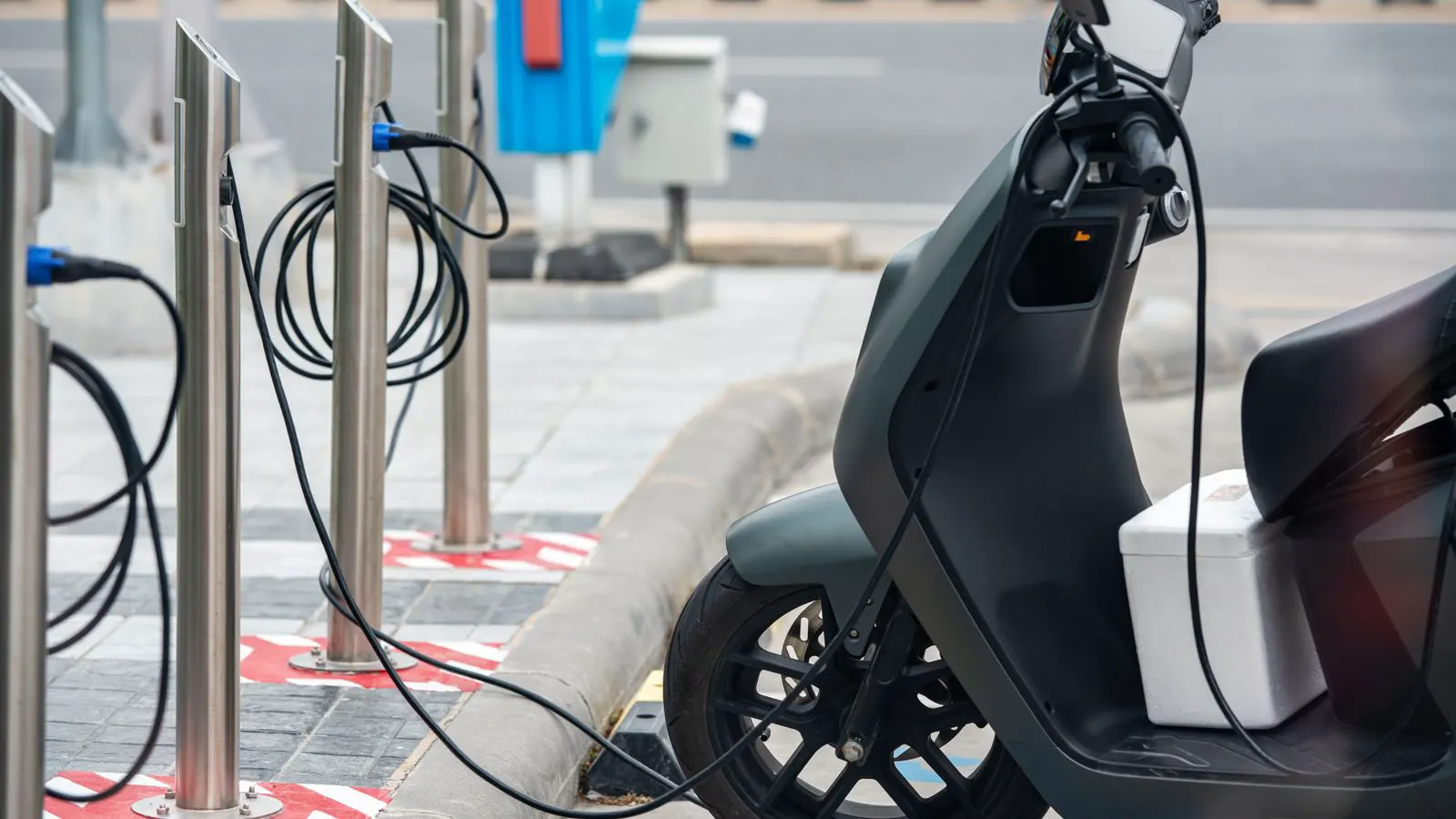
DC fast charger lead time depends on component availability, regulatory testing, and shipping routes. Professional buyers should account for weeks of pre-production, certification, and customs processing when estimating delivery windows for international equipment.
- DC fast charger lead time includes factory production, certification, shipping, and customs processing.
- Standardize your RFQ by specifying power levels, connectors, communication protocols, and site constraints.
- Importing equipment requires a clear budget for duties, taxes, and compliance testing.
- Build buffer time into your project schedule to absorb supply chain delays.
Why DC Fast Charger Lead Time Varies So Much
A DC fast charger is not a single commodity. It is a complex machine combining power electronics, thermal management systems, software, and safety certifications. The DC fast charger lead time you receive from a vendor is the sum of several distinct phases: order confirmation, component procurement, assembly, quality control, regulatory testing, and logistics.
When you request a quote, the number of weeks quoted usually covers the entire cycle from signed purchase order to arrival at the port. Some vendors quote only the factory production window, which can mislead a buyer planning a site installation. Always ask for the defined scope of the lead time.
The variance between quotes often reflects the vendor’s supply chain maturity. A supplier with long-term agreements for power semiconductors and transformers can move faster than one that must source parts on the spot. The destination country’s regulatory environment adds another layer of complexity.
What Drives the Factory Production Window
The manufacturing phase starts when the vendor confirms the order. This stage is sensitive to the availability of high-power components. Silicon carbide diodes, power transformers, and cooling fans have specific lead times that ripple through the production line.
Power output is the primary driver of factory time. A 50 kW unit uses less complex power electronics than a 350 kW unit. High-power chargers often require custom power modules and advanced thermal control systems. These components take longer to assemble and test.
The number of units ordered affects the timeline. A single unit or a small batch requires more manual configuration and testing. A large order can be processed through optimized assembly lines, reducing the per-unit production time. However, large orders may trigger longer lead times if the vendor must schedule additional production runs.
Software and firmware integration also take time. Every charger must support specific communication protocols. The vendor must ensure the unit communicates correctly with the site’s back-office system and the charging management platform.
How Importing Changes the Delivery Calculation
Once the charger leaves the factory, the logistics phase begins. Equipment import adds variables that domestic purchases do not face. Shipping method, port congestion, and customs procedures can add weeks to the total lead time.
Sea freight is the standard for heavy DC fast chargers. A single unit can weigh hundreds of kilograms. It will travel in a standard shipping container, often with other equipment. The shipping duration depends on the route. Cross-ocean shipments take significantly longer than regional routes.
Customs processing is where delays hide. The importer of record must prepare a commercial invoice, packing list, and certificate of origin. The equipment must be declared accurately. Misclassification can result in a hold at the border.
The destination country’s import regulations determine the required documentation. Some regions require pre-approval for electrical equipment. Others require specific safety labels or energy efficiency declarations. The vendor or the importer must ensure the paperwork matches the destination’s requirements.
How to Write a Clear RFQ for Accurate Quotes
A vague request for a quote yields a vague answer. To get a reliable DC fast charger lead time, your RFQ must specify the technical and operational requirements. Do not rely on the vendor to guess your needs.
Start with the power output and connector type. Specify the maximum power and the connector standard required for your market. If you need dual connectors, state that clearly. Include the communication protocols, such as the back-office interface and the charging management system.
Define the site constraints. The charger must fit the available space and connect to the existing power infrastructure. Include the ambient temperature range and the required IP rating. If the site is in a coastal or industrial environment, mention the corrosion resistance requirements.
Request a breakdown of the lead time. Ask the vendor to separate the factory production time from the shipping and customs processing. Ask for the expected arrival date at the port and the estimated time for customs clearance.
How to Compare Quotes and Lead Times Fairly
When you receive multiple quotes, compare the scope of each proposal. A lower price with a longer lead time may be more realistic than a higher price with a shorter timeline.
Check what is included in the price. Some vendors include the shipping and insurance. Others quote the unit price only. Ask for a total cost of ownership estimate, including installation, software licenses, and maintenance contracts.
Evaluate the vendor’s support structure. A local service partner can reduce downtime if a unit fails. Ask about the availability of spare parts. If a power module fails, you need a replacement quickly.
Review the warranty terms. The start date for the warranty matters. Does it begin at the port of arrival or at the installation site? The duration of the warranty and the coverage scope for major components are critical for long-term planning.
A Table of Key Cost and Lead Time Drivers
| Driver | Description | Impact on Cost | Impact on Lead Time |
|---|---|---|---|
| Power Output | Higher wattage requires more complex power electronics. | Higher | Longer |
| Shipping Route | Distance between factory and destination port. | Higher for long routes | Longer for long routes |
| Certification | Required regional safety and electrical standards. | Higher for additional testing | Longer if testing is required |
| Order Volume | Small batches take longer to configure and test. | Lower per unit for large orders | Shorter per unit for large orders |
| Power Infrastructure | Site may require new transformers or switchgear. | Higher | Longer |
| Software Integration | Custom communication protocols add development time. | Higher | Longer |
Planning for Realistic Delivery Windows
Procurement planning requires a buffer. The DC fast charger lead time quoted by a vendor is a target, not a guarantee. Supply chain disruptions, weather events, or port strikes can delay delivery.
Build a buffer into your project schedule. For international sourcing, add time for the shipping and customs phases. If the vendor quotes a 10-week factory lead time and a 4-week shipping time, plan for at least 18 to 20 weeks to be safe.
Coordinate with your civil and electrical contractors. They must complete the site work before the charger arrives. A mismatch between the charger delivery and site readiness can cause storage issues or installation delays.
Monitor the order status. A good vendor will provide updates at key milestones: order confirmation, component receipt, assembly start, testing completion, and shipment. Use this information to track the project against your plan.
How to Handle Delays and Mitigate Risk
If a delay occurs, identify the cause immediately. Is it a component shortage, a shipping issue, or a customs hold? Understanding the root cause helps you find a solution.
Contact the vendor’s logistics team. They can often rebook shipping or expedite customs clearance for a fee. Compare the cost of expedited shipping against the cost of a delayed project.
Consider a partial delivery. If the site requires multiple chargers, ask if you can receive the first few units while waiting for the rest. This allows the site to be operational for a portion of the fleet or customer base.
Keep documentation organized. If customs requires additional information, you need to provide it quickly. A missing certificate or a mismatched invoice can cause a multi-week hold.
Final Thoughts on Procurement Strategy
The DC fast charger lead time is a variable that must be managed actively. It is not a fixed number that can be ignored. It is a moving target influenced by global supply chains, local regulations, and site conditions.
Treat the procurement process as a project. Assign a single point of contact for the vendor relationship. Track the order status and communicate clearly with all stakeholders.
A well-planned procurement strategy reduces risk and ensures the charger arrives on time. The goal is not just to buy the equipment, but to deploy it when the site is ready.
Frequently asked questions
How long does the factory production phase take for a DC fast charger?
Factory production typically takes several weeks, depending on the power output and component availability. High-power units and small batches often take longer than standard models.
What documents are required for equipment import?
A commercial invoice, packing list, and certificate of origin are standard. Some countries require specific safety certificates or pre-approval for electrical equipment.
Can I receive a partial delivery if the site is ready for only a few chargers?
Yes, you can request a partial delivery. This allows you to begin operations with the first units while the remaining units are in transit.
How should I build a buffer into my project schedule?
Add time for the shipping and customs phases. If the vendor quotes a 10-week factory lead time and a 4-week shipping time, plan for at least 18 to 20 weeks to account for delays.
What is the best way to compare vendor quotes fairly?
Compare the scope, total cost, and lead time breakdown. Ensure the price includes shipping and installation. Ask for a detailed timeline and the warranty terms.