DC Fast Chargers
150kW vs 350kW DC Chargers: Power Output Comparison
Choosing between 150kW and 350kW DC fast chargers depends on vehicle voltage architecture, dwell time targets, and site infrastructure. Higher power reduces charging
Explore DC fast charging options, connector types, and power output for high-speed EV charging infrastructure.
Choosing between 150kW and 350kW DC fast chargers depends on vehicle voltage architecture, dwell time targets, and site infrastructure. Higher power reduces charging

DC fast charger lead time depends on component availability, regulatory testing, and shipping routes. Professional buyers should account for weeks of pre-production

DC charger communication errors usually stem from cable damage, software mismatches, or connector faults. Identify the specific handshake stage failing. Check physical

This audit checklist covers site assessment, utility connection, and electrical verification for DC fast charger installation. It helps engineers and buyers identify red
New vehicle platforms are pushing power transfer to higher voltages and amperages. Buyers must adjust sizing strategies, connector standards, and thermal management to

Choose a commercial DC fast charger based on connector compatibility, power rating, thermal management, and uptime. For depot charging equipment, prioritize shift-change
Size DC chargers by calculating peak demand and power allocation for a 50-vehicle fleet. Determine connector counts and wattage based on specific turnaround requirements
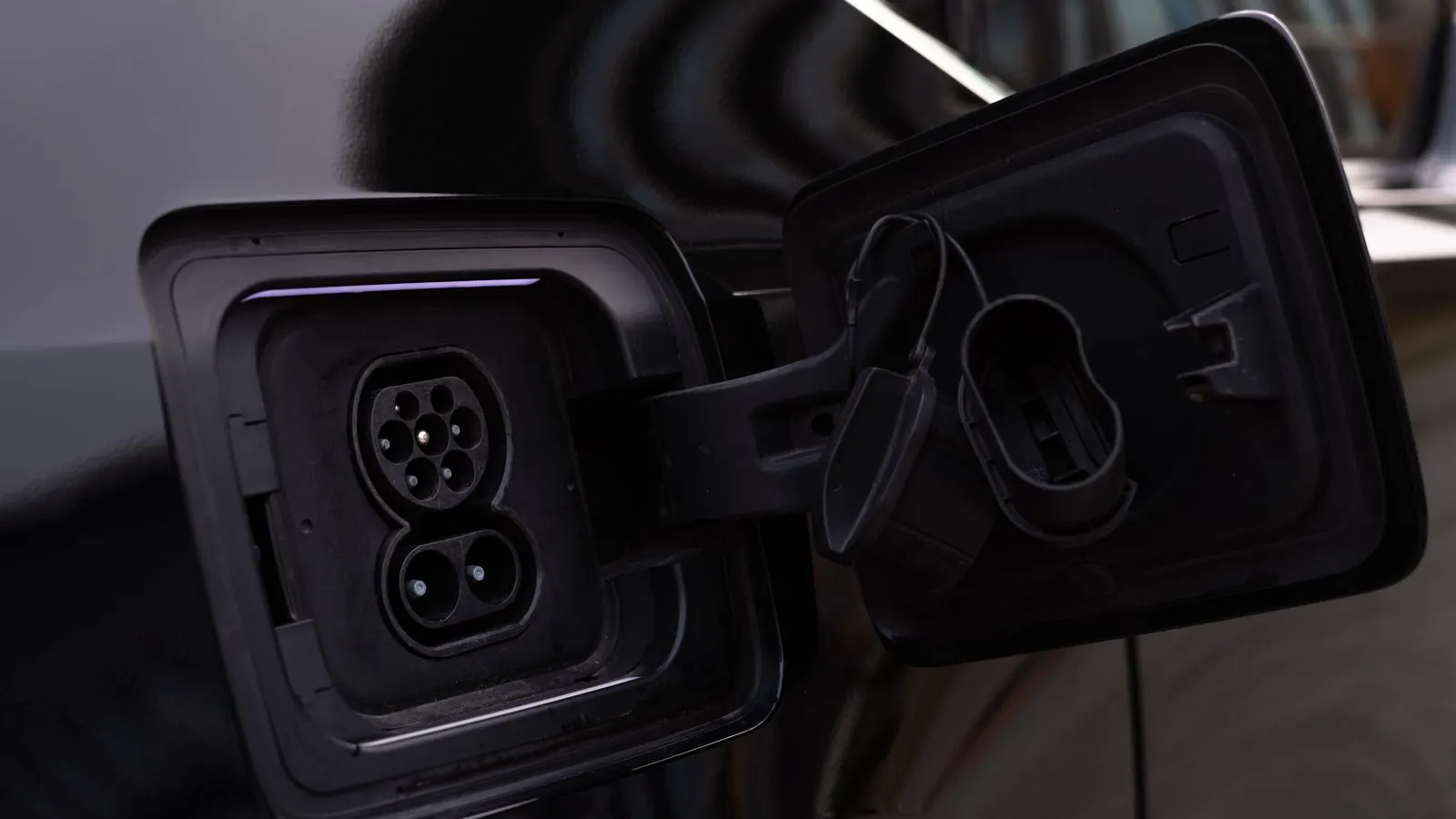
CCS1 suits North American fleets while CCS2 serves European and most global markets. The choice depends on your vehicle fleet, charger hardware, and grid connection