
AC Chargers
Buyers Guide to AC Chargers: Key Specifications for Commercial Procurement
This commercial AC charger guide outlines the technical and commercial specifications required for business procurement. It explains how to evaluate power capacity
Nov 22, 2026 · 12 min read
AC Chargers
AC Charger Cost and Lead Time: Factors Affecting Procurement Budgets
AC charger procurement costs depend on power rating, smart features, and regional standards. Supply chain lead times vary based on component availability and logistics.
Nov 13, 2026 · 14 min read
AC Chargers
Three checks before sourcing a portable EV charger
Confirm the supply-side plug, vehicle connector and rated current for the exact portable EV charger configuration before comparing quotations.
Nov 5, 2026 · 1 min read
AC Chargers
AC Charger Types Explained: Single-Phase vs Three-Phase Power Supply
AC charger types differ primarily by their electrical input, requiring either single-phase or three-phase power. Single-phase chargers draw from a single live conductor
Oct 25, 2026 · 6 min read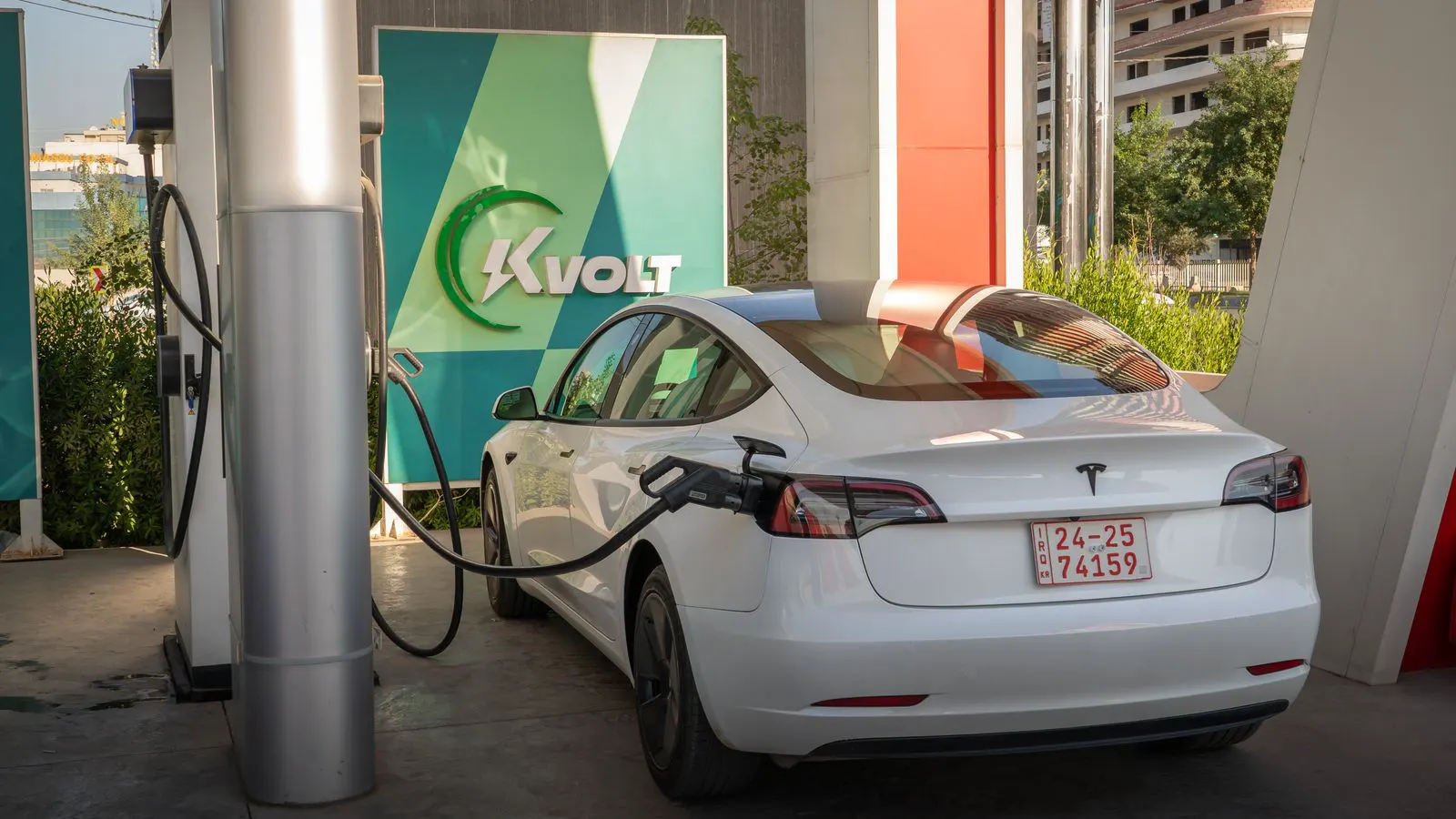
AC Chargers
AC Charger Commissioning Checklist: Pre-Start Safety and Performance Checks
Use this AC charger commissioning checklist to verify pre-start safety and performance. It covers electrical, mechanical, software, and documentation checks. Follow the
Oct 23, 2026 · 7 min read
AC Chargers
How to Install a 22 kW Wallbox: Step-by-Step Installation Guide
A 22 kW wallbox installation requires a dedicated three-phase supply, a correctly sized breaker, and strict adherence to local electrical codes. This guide details the
Oct 21, 2026 · 6 min read
AC Chargers
Troubleshooting AC Charger Fault Codes: Common Errors and Safe Solutions
AC charger troubleshooting requires matching symptoms to specific hardware faults. This guide lists common error messages, their likely causes, and safe solutions to
Oct 12, 2026 · 8 min read
AC Chargers
Future of Workplace AC Charging: Smart Load Management and Grid Integration
Future workplace AC charging relies on smart management to balance demand with grid capacity. This guide outlines five shifts buyers should plan for, covering load
Oct 9, 2026 · 9 min read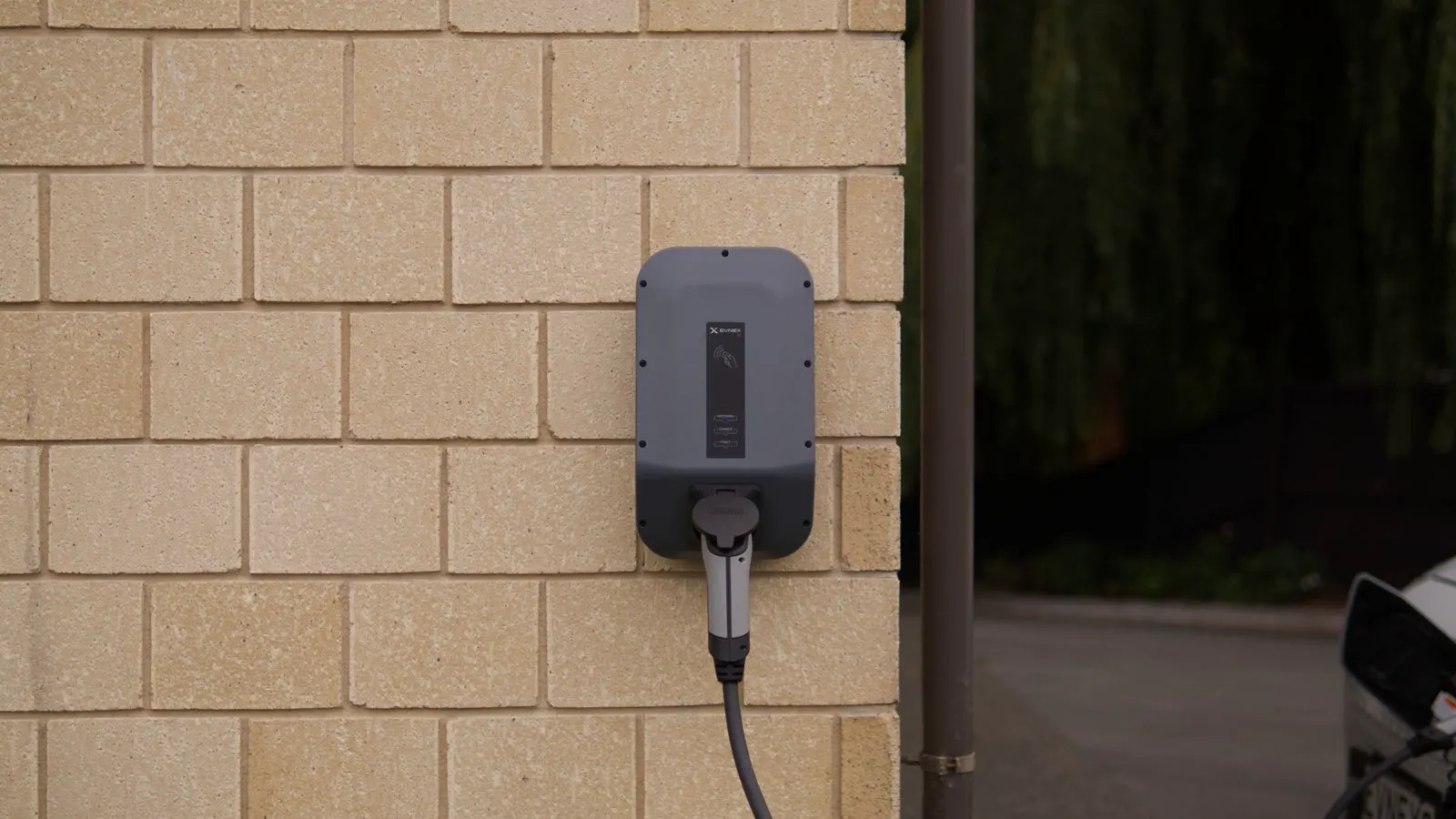
AC Chargers
11 kW vs 22 kW AC Chargers: Choosing the Right Power Level for Your Site
The choice between 11 kW and 22 kW AC chargers depends on site electrical capacity, vehicle usage patterns, and installation costs. Higher power levels reduce charge
Oct 9, 2026 · 7 min read