EV charging software is shifting toward open standards, cloud-first management, and API-first integrations. Buyers should plan for modular hardware, automated provisioning, and future-proof network architectures that support multiple charger brands and energy services.
- Open protocols reduce vendor lock-in by separating hardware from software.
- Buyers should specify API access and data ownership in procurement documents.
- Modular platform design allows future upgrades without replacing physical hardware.
- Automated provisioning and remote diagnostics lower long-term operating costs.
- Standardized communication layers enable easier integration with utility and energy management systems.
Why Open Protocols Are Changing Charger Purchasing
Procurement teams used to evaluate chargers as complete packages. The hardware, the firmware, and the backend all came from the same vendor. That model is breaking down.
EV charging software now separates the physical connector from the network layer. A site operator can buy hardware from one manufacturer and run it through a platform from another. This shift happens because open protocols define standard messages between devices.
When a charger reports status, energy consumed, or fault codes, it follows a defined structure. The software platform interprets those messages and presents them to the operator. This decoupling gives buyers flexibility they did not have five years ago.
The practical effect shows up in contract negotiations. Instead of locking into a single vendor’s ecosystem, buyers can specify requirements for data access, API endpoints, and firmware update mechanisms. The hardware must speak the language. The software decides how the network operates.
Consider a corporate fleet operator deploying fifty chargers across three sites. Under a closed model, they would have negotiated a single contract for hardware and software. If the software vendor went out of business or raised platform fees, the operator would have been trapped. They could not switch backends without replacing the hardware. Under an open model, the operator specifies that the chargers must support standard communication protocols and provide API access. They select the hardware based on connector type, power output, and build quality. They select the software platform based on billing features, user management, and integration capabilities. The two purchases are separate. This separation allows the operator to replace the software if a better platform emerges, without touching the physical units.
The transition also changes how engineers review specifications. Engineers no longer ask which backend a charger comes with. They ask whether the charger exposes standard endpoints for status and energy data. They ask if the firmware supports remote configuration. They ask if the hardware can be provisioned by a third-party system. The hardware is now a node in a network, not a standalone appliance.
Five Shifts Buyers Should Plan For
Buyers need to adjust their planning around five specific changes. Each one affects how they write specifications, manage vendors, and budget for the next upgrade cycle.
- Hardware and software procurement are now separate line items.
- API access becomes a mandatory requirement, not a bonus feature.
- Data ownership and portability must be defined in the contract.
- Cloud-based management replaces local servers for most mid-size deployments.
- Energy management integration moves from a future project to a current requirement.
These changes require a different approach to network design. The physical installation must accommodate multiple software environments. The contracts must allow data extraction. The budget must include ongoing platform fees, not just hardware costs.
The first shift, separating line items, changes the procurement process. In the past, a buyer might have awarded a single contract for a “charging solution.” Now, the buyer issues one tender for the physical units and another for the management platform. This separation allows the buyer to benchmark hardware costs against different manufacturers. It also allows them to negotiate software pricing based on the number of sites, the volume of transactions, and the level of API access. A buyer who understands this separation can negotiate better terms. They can challenge a hardware vendor for including software integration fees, which are no longer standard. They can challenge a software vendor for restricting data export, which is now a baseline expectation.
The second shift, API access as a mandatory requirement, changes the evaluation process. API access is not a nice-to-have feature. It is the mechanism that allows the operator to retrieve data. Without it, the operator is blind to the performance of their assets. They cannot verify energy consumption, troubleshoot faults, or integrate with billing systems. Buyers should treat API access as a pass-or-fail criterion. If a hardware vendor refuses to provide API documentation or sandbox access, they are signaling a closed ecosystem. This is a red flag.
The third shift, data ownership, is a legal and strategic issue. The data generated by chargers is valuable. It includes session durations, energy delivered, user IDs, and fault codes. This data can be used for billing, reporting, and energy management. If the contract does not explicitly state that the operator owns this data, the vendor may claim ownership or restrict export. Buyers must specify that they have the right to download and use all data generated at their sites. They must specify the format of the export. CSV files, JSON files, or direct database access. They must specify that the vendor cannot delete data after the contract ends.
The fourth shift, cloud-based management, changes the infrastructure requirements. In the past, many operators installed local servers in their server rooms. These servers managed a small number of chargers. Today, the majority of mid-size deployments run on cloud platforms. This reduces the need for on-site IT staff and hardware maintenance. However, it introduces a dependency on internet connectivity. The network design must account for reliable internet access at each site. The chargers must be able to reconnect automatically if the connection drops. The platform must handle data synchronization when the connection is restored.
The fifth shift, energy management integration, changes the scope of the project. Energy management is no longer a future add-on. It is a current requirement for many operators. Utilities offer incentives for load management. Building owners want to reduce peak demand charges. If the charger cannot communicate with an energy management system, it cannot participate in these programs. Buyers must ensure that their chargers and software platform support the necessary communication protocols for energy management. This may involve specific API endpoints for sending load reduction commands to the chargers.
How a Charging Management System Works in an Open Architecture
A charging management system sits between the chargers and the operator. It handles authentication, session management, billing data, and remote monitoring. In a closed architecture, this software is proprietary. In an open architecture, it connects through standard interfaces.
The system receives data from each charger through defined protocols. It processes that data and sends it to the operator’s dashboard, the billing system, and any connected energy management platform. The chargers do not need to know which backend is running. They only need to follow the communication rules.
This architecture allows a single site to mix charger models. A DC fast charger from one brand can run alongside a Level 2 unit from another. The management system treats both as nodes in the network. The operator sees one unified view regardless of the hardware mix.
Consider a public charging station with four DC fast chargers and twelve Level 2 chargers. The DC fast chargers were installed two years ago from one manufacturer. The Level 2 chargers are being installed this year from a different manufacturer. In a closed architecture, this would be impossible. The operator would have had to install two separate management systems. They would have had to manage two different dashboards. They would have had to bill users through two different systems. In an open architecture, the operator installs both sets of chargers. They register each unit in the same management platform. The platform recognizes the standard protocols used by both manufacturers. The operator sees all sixteen chargers on a single dashboard. They can see the status of each unit, the energy consumed, and any faults. They can issue commands to both types of chargers through the same interface. This simplifies operations and reduces training time for site staff.
The management system also handles user authentication. In an open architecture, the authentication process is standardized. A user can use their mobile app or RFID card to start a charge. The app sends a request to the management platform. The platform verifies the user’s account and sends an authorization message to the charger. The charger checks the authorization and starts dispensing power. The user does not need a specific app for each charger brand. They use one app or one card. The management platform handles the translation between the user’s request and the charger’s command.
Remote monitoring is another key function. The management system tracks the health of each charger. It monitors temperature, power draw, and communication status. If a charger goes offline or reports a fault, the system sends an alert to the operator. The operator can then dispatch a technician. The alert includes the fault code and the location of the charger. This reduces downtime and improves customer satisfaction.
Open Protocols and Interoperability in Practice
Interoperability means different vendors’ products can work together without custom integration work. Open protocols define the vocabulary. They specify how a charger identifies itself, how it reports energy, and how it handles authentication requests.
When protocols are open, the software platform does not need a separate integration for each hardware brand. One API call follows the same structure whether it targets a DC fast charger or a Level 2 unit. The platform handles the translation between the standard message and its internal database.
This reduces the time and cost to deploy a new site. The installer connects the hardware, the platform provisions the devices, and the network is live. The operator does not wait for a vendor to build a custom bridge between the charger and the software.
The table below shows how different components interact in an open architecture versus a closed one.
| Component | Open Architecture | Closed Architecture |
|---|---|---|
| Hardware | Any compliant manufacturer | Single vendor only |
| Communication | Standardized message format | Proprietary protocol |
| Software | Any compatible platform | Vendor-specific backend |
| Data access | API available to operator | Limited or no external access |
| Vendor lock-in | Low | High |
Interoperability has a direct impact on the total cost of ownership. When a new hardware brand enters the market, a buyer using an open architecture can evaluate it without worrying about software compatibility. They check if the new hardware supports the standard protocols. If it does, they can add it to their existing network. They do not need to hire an integrator to build a custom connection. This lowers the barrier to entry for new hardware manufacturers and increases competition. It also gives buyers more options when negotiating hardware prices. They know they are not locked into a single vendor.
The practical example of interoperability is visible in the installation process. A site installer arrives at a new location. They unbox the chargers. They connect the power cables. They connect the Ethernet cables. They log into the management platform. They create a new site. They add the charger serial numbers. The platform sends a provisioning command to each charger. The chargers confirm they are online. The site is live. This process takes hours. In a closed architecture, this process might take weeks. The installer would have had to configure proprietary settings. The software vendor would have had to provide a custom integration key. The platform would have had to be updated to recognize the new hardware.
The Role of APIs in Platform Evolution
APIs are the bridge between the physical charger and the software platform. They define what data is available and how it can be accessed. A well-designed API exposes real-time status, historical energy data, fault codes, and configuration options.
Buyers should test API access during the evaluation phase. Request a sandbox environment or a demo account. Check if the API documentation is current. Verify that the data format is machine-readable and not just a PDF export.
The quality of the API determines how easily the platform can integrate with other systems. A utility company wants to pull charging data for demand response. A building management system wants to know when a charger is occupied. A billing provider wants session data for invoicing. Each of these integrations depends on clean, standardized API access.
A platform with limited API capabilities forces operators into workarounds. They may need manual data exports or custom middleware. These workarounds increase operating costs and create points of failure.
The API is the interface through which the operator interacts with the platform. It is also the interface through which third-party systems access the platform. A utility company might use an API to send a load management signal to the platform. The platform forwards this signal to the chargers. The chargers reduce their power output to comply with the utility’s request. This process is automated. It requires no human intervention. The API handles the communication between the utility, the platform, and the chargers.
Buyers must evaluate the API during the selection process. They should request the API documentation. They should check if the documentation is up to date. They should check if the API supports authentication. They should check if the API allows for real-time data access or only batch data access. They should check if the API supports webhooks. Webhooks allow the platform to send real-time notifications to other systems. For example, when a charge starts, the platform can send a webhook to the building management system. The building management system can then display the status on a building dashboard. This level of integration is only possible with a well-designed API.
If the API is limited, the operator loses flexibility. They may not be able to integrate with their preferred billing system. They may not be able to send data to their utility. They may not be able to manage the chargers remotely. This limits the value of the chargers. The hardware is only as useful as the software that manages it.
Preparing Your Network for the Next Decade
Preparing for future software changes starts with the physical layer. The cabling, the power connections, and the network infrastructure must support the next generation of management systems.
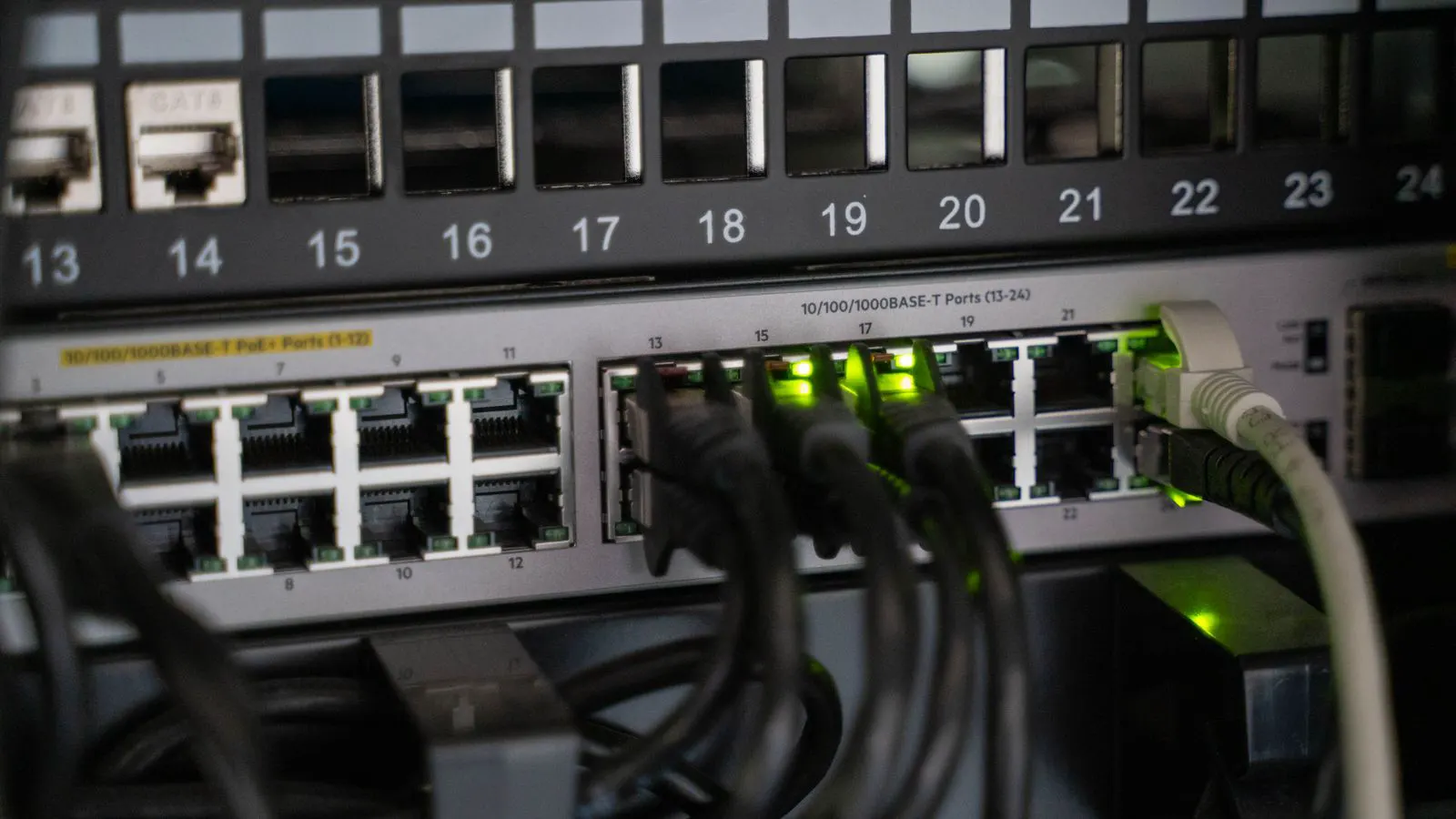
Use standard Ethernet or Wi-Fi connections for charger communication. Avoid proprietary communication lines that only work with one vendor’s backend. Ensure the network switch has enough ports for future device additions.
The power infrastructure also matters. A site designed for only Level 2 chargers will struggle when DC fast charging becomes the standard. Plan for the electrical capacity needed for higher power draw. The software can manage the load, but the transformers and breakers cannot be upgraded after the fact.
Contract terms matter as much as hardware choices. Specify data ownership in the agreement. The operator should own the session data, the energy data, and the customer data collected at the site. Specify that the vendor must provide data exports in standard formats. Require that the vendor maintain API documentation and support.
These steps create a network that can adapt. The software platform may change. The vendor may exit the market. The operator can migrate to a new system without replacing the chargers. This flexibility reduces long-term risk and protects the investment.
The physical layer is the foundation of the network. If the cabling is poor, the chargers will not communicate reliably. If the power connections are undersized, the chargers will trip breakers under load. If the network switch is outdated, it will not support the number of devices the operator plans to add. The operator must invest in the physical layer. They must use high-quality Ethernet cables. They must use industrial-grade network switches. They must ensure the power distribution unit can handle the load. They must ensure the grounding is correct. These physical details are often overlooked during the planning phase. But they are critical for long-term reliability.
The power infrastructure is another area where planning is essential. An operator who installs Level 2 chargers today may find that they need to upgrade to DC fast chargers in three years. If the site was designed for Level 2 power, the electrical capacity may not be sufficient for DC fast charging. The operator would have to upgrade the transformers, the breakers, and the cables. This is a costly and disruptive process. By planning for higher power draw from the start, the operator can add DC fast chargers later without major infrastructure changes. The software can manage the load, but the hardware must be capable.
Contract terms are the legal framework that protects the operator. They define the rights and responsibilities of both parties. They specify how data is handled. They specify how support is provided. They specify what happens if the vendor goes out of business. They specify how the operator can exit the contract. Without clear contract terms, the operator is at risk. They may be locked into a vendor. They may be unable to access their data. They may be unable to migrate to a new platform. Clear contract terms give the operator control. They ensure that the network remains usable and manageable.
Common Mistakes in Software Planning
Buyers often focus on the charger price and ignore the software costs. The platform fee, the API access, and the data integration work add up over the life of the network. A cheaper charger with a closed backend can cost more over ten years than a pricier unit with open access.
Another mistake is assuming all open protocols are equivalent. Different standards handle different data types. Some support basic status reporting. Others handle advanced energy management and vehicle authentication. Buyers need to identify which functions matter for their specific use case.
A third error is neglecting the network infrastructure. If the chargers cannot communicate reliably, the software cannot manage them. Wi-Fi coverage, Ethernet runs, and power quality all affect performance. Test the communication layer before finalizing the procurement.
These mistakes are avoidable with clear requirements and proper testing. The goal is not to buy the cheapest hardware. The goal is to build a network that remains useful and manageable as software standards evolve.
The first mistake, ignoring software costs, is common. Buyers see a low price for a charger and think they are getting a good deal. They do not consider the cost of the software. They do not consider the cost of integration. They do not consider the cost of support. Over time, these costs add up. They can exceed the savings from the cheaper charger. Buyers must include software costs in their total cost of ownership calculation. They must compare the total cost of a cheap charger with a closed backend against a pricier charger with an open backend. They must consider the long-term value of the network. A network that is flexible and manageable is worth more than a network that is cheap but rigid.
The second mistake, assuming all open protocols are equivalent, leads to integration problems. Different protocols support different functions. Some protocols only support basic status reporting. Others support advanced energy management. Some support vehicle authentication. Others do not. Buyers must identify which functions they need. They must ensure that the hardware and software support those functions. They must test the integration before deploying the network. If the protocol does not support the required function, the operator will not be able to use that function. This can limit the value of the network.
The third mistake, neglecting network infrastructure, leads to reliability problems. If the chargers cannot communicate reliably, the software cannot manage them. The operator will not be able to see the status of the chargers. They will not be able to troubleshoot faults. They will not be able to integrate with other systems. Buyers must test the communication layer. They must check the Wi-Fi coverage. They must check the Ethernet runs. They must check the power quality. They must ensure that the network is stable and reliable. This testing is often skipped. But it is essential for a reliable network.
These mistakes are avoidable. Buyers must plan carefully. They must understand the difference between hardware and software. They must understand the importance of open protocols. They must understand the importance of network infrastructure. They must test their systems before deploying them. By doing so, they can build a network that is flexible, reliable, and future-proof. They can protect their investment. They can ensure that their chargers remain useful and manageable for years to come.
Frequently asked questions
What is the difference between a charging platform and a charging management system?
A charging management system handles the day-to-day operations of a site, such as monitoring, billing, and fault reporting. A charging platform is the broader software environment that connects chargers, users, and third-party services. Many operators use a management system as part of a larger platform.
How do I know if a charger supports open protocols?
Check the technical specification sheet for defined communication standards and API documentation. Request a sample message from the charger during the evaluation phase. If the vendor cannot show standardized data output, the hardware likely uses a proprietary protocol.
Can I mix chargers from different brands on the same network?
Yes, if both brands support the same open communication standard and the software platform can interpret their data. The management system treats each unit as a separate node. The operator sees a unified dashboard regardless of the hardware mix.
What should I ask for in an API access contract?
Request full API documentation, a sandbox environment, and defined data ownership terms. Specify that the operator can extract session data, energy data, and fault codes in machine-readable formats. Define the support level for API issues and the timeline for updates.
Do I need a local server for a charging management system?
Most modern systems run in the cloud, which reduces maintenance and allows remote access. A local server may be required in sites with unreliable internet or strict data residency rules. Check the platform's offline capabilities before finalizing the deployment plan.